





Three point estimation
A three-point estimate is a method used to estimate the cost or duration of a project task or activity. It is commonly used in project management, and it is particularly important in the construction industry, where projects can be complex and involve many different tasks
It involves using three estimates: an optimistic estimate, a most likely estimate, and a pessimistic estimate.
- The optimistic estimate is the best-case scenario for how long the task will take or how much it will cost.
- The pessimistic estimate is the worst-case scenario.
- The most likely estimate is the estimate it is believed is the most accurate representation of how long the task will take or how much it will cost based on their experience and expertise.
To calculate the three-point estimate, the three estimates are first added together and then divided by three to give an expected value. This expected value can be used to help project managers plan resources and schedule tasks more accurately.
Should cost modelling, Development Guidance, Version 1.0, published by Government Commercial Function in May 2021 states: ‘This technique uses three different estimates of potential costs, the most likely, optimistic and pessimistic profiles. These estimates are then aggregated and averaged to provide estimates that are adjusted for extremes. It is often applied in the context of Monte Carlo simulation to produce probabilistic outputs.’
[edit] Related articles on Designing Buildings
Featured articles
Check out some of the best features and news from Designing Buildings as well as key stories from around the web.

The heritage of nuclear and conventional power stations.
New measures to stop people being ripped off

Government to protect families from cowboy builders and aggressive bailiffs.

New Futurebuild showcase brings an innovation-first approach.
National Planning Policy Framework
Understanding the 2026 changes.
ECA's public affairs priorities

Member consultation opens to shape priorities for 2027 to 2030.

Dutyholder responsibilities from 1 July 2026.
Where performance meets practice

The Building Envelope Stage at UKCW Birmingham.

CIAT publishes briefing on planning reforms.
Leaders in Learning for Practice Network

Call for conservation leaders in learning to register interest in new network.
The importance of early engagement

Construction lessons from the Trillium HealthWorks Experience Centre.
Mayors are to be given planning call in powers

Mayors across England will be able to make the most important planning decisions.
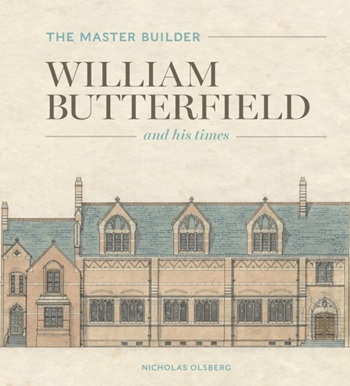
The Master Builder: William Butterfield and his times. Book review.